


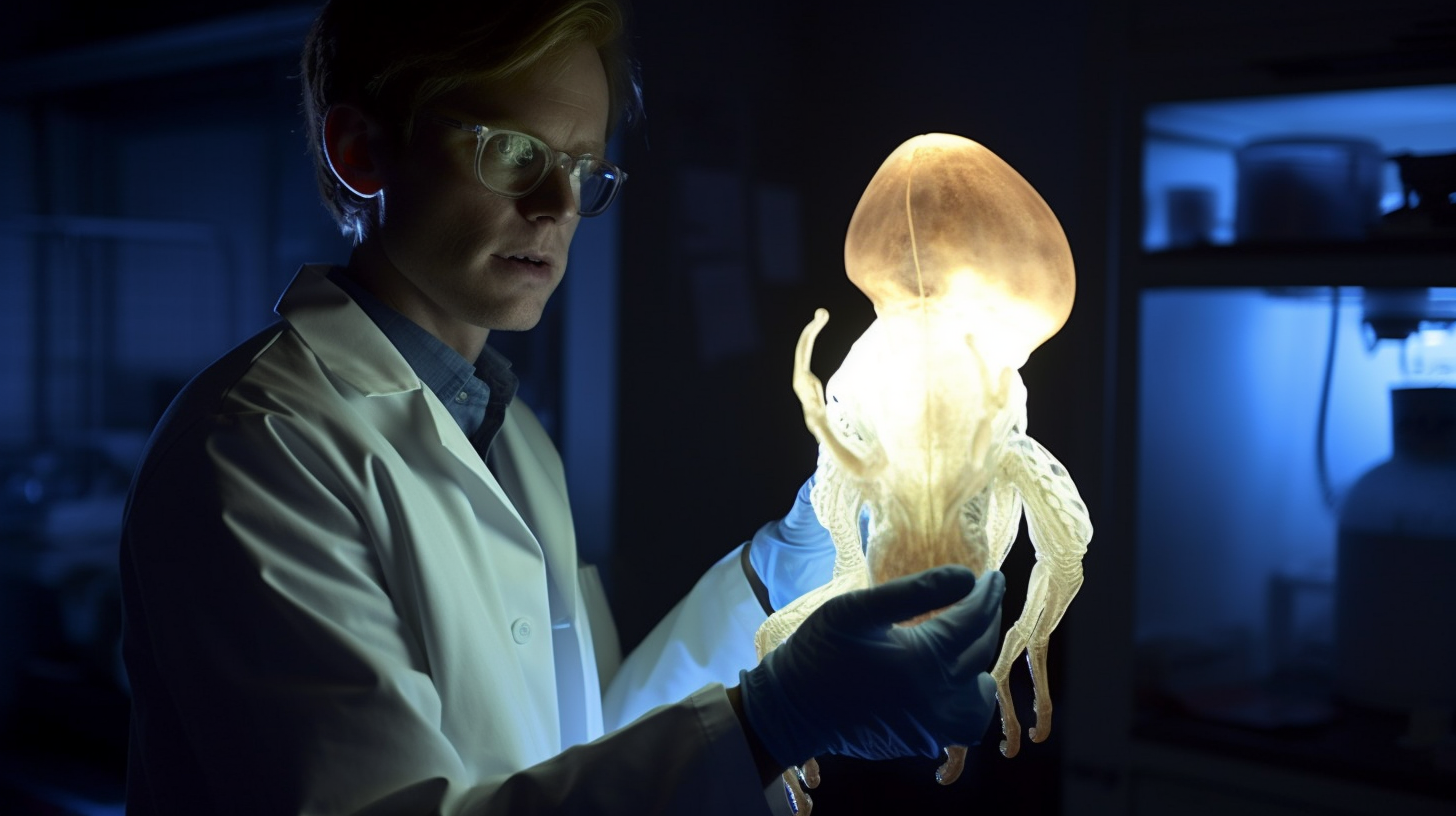

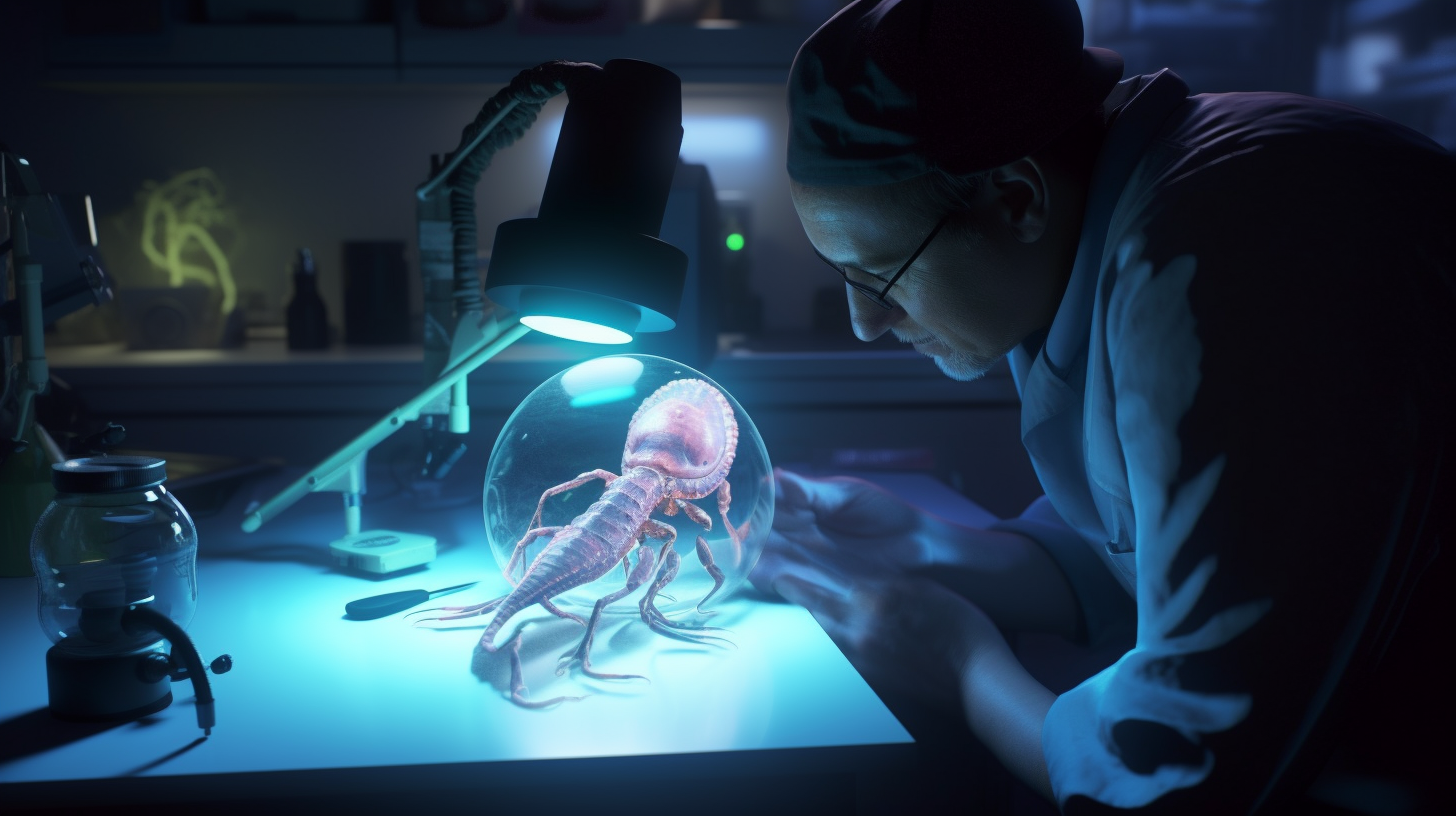
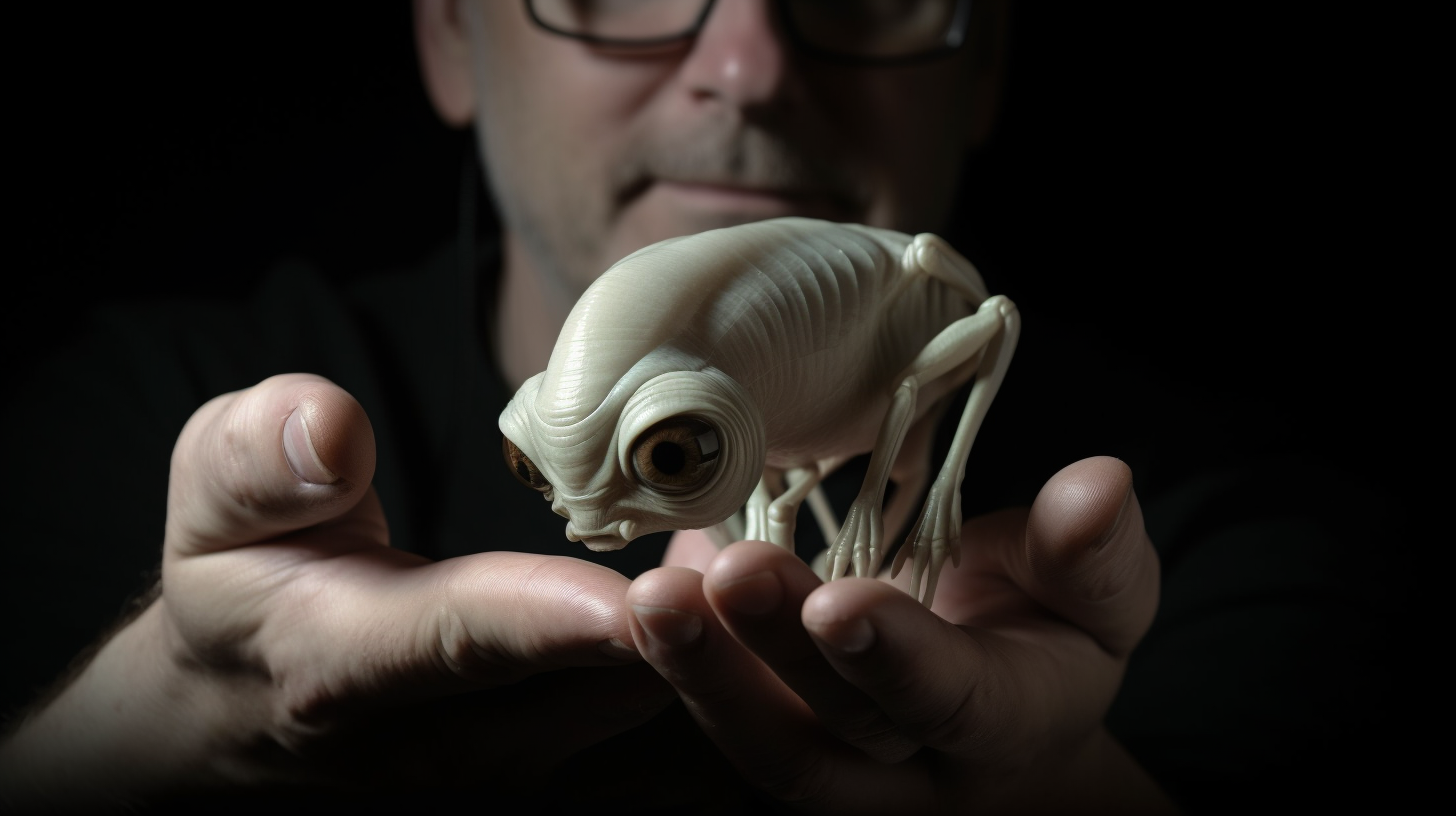


Xenobiology:
exploring the possibilities of life beyond earth
With the discovery of thousands of exoplanets beyond our solar system, the search for life beyond Earth has become one of the most exciting and promising fields of scientific inquiry. As we continue to explore our own planet, we are also starting to expand our search to include the study of life forms that are radically different from what we are familiar with. This is where the field of xenobiology comes in – the study of life that is not based on the same biochemistry as we know it.
In this article, we will explore the concept of xenobiology in detail, including its origins, its goals, and the methods used by scientists to study it. We will also look at some of the potential implications of xenobiology, including its impact on our understanding of the origin of life and its potential for applications in fields such as medicine and biotechnology.
Origins of Xenobiology
The origins of xenobiology can be traced back to the early days of the space age, when scientists began to think seriously about the possibility of life beyond Earth. At first, the focus was on the search for Earth-like planets and the possibility of detecting signs of life through the study of their atmospheres. However, as the study of exoplanets progressed, it became clear that not all planets would be hospitable to Earth-like life forms, and that the search for life might have to be expanded to include more exotic possibilities.
In the 1960s and 1970s, scientists began to explore the idea of life based on different biochemistry than we know it. The term “xenobiology” was coined in the early 1990s by Robert Shapiro, a chemist at New York University, to describe the study of “non-standard” life forms. Today, xenobiology encompasses a wide range of approaches and disciplines, from synthetic biology to astrobiology and exobiology.

Goals of Xenobiology
The main goal of xenobiology is to expand our understanding of what is possible in terms of life forms and biochemistry. By studying life that is not based on the same biochemical building blocks as we know it, scientists hope to gain insights into the fundamental principles of life and its origin. This could potentially lead to the discovery of new types of life, as well as new biotechnological applications.
Methods Used in Xenobiology
One of the main challenges of xenobiology is that we do not know what we are looking for. Unlike the search for Earth-like life, where scientists can look for specific biomarkers in planetary atmospheres, the search for non-standard life forms is more open-ended. As a result, xenobiology requires a range of different approaches and methods.
One of the most promising approaches is synthetic biology – the design and construction of new biological systems that do not exist in nature. By creating new forms of life from scratch, scientists can test the limits of biochemistry and explore the potential for alternative biochemistries.
Another approach is to study extremophiles – organisms that are able to survive in extreme environments such as deep sea vents, acidic lakes, or hot springs. By studying how these organisms are able to adapt to extreme conditions, scientists can gain insights into the flexibility of life and the potential for alternative biochemistries.
Methods of Xenobiology
One of the main challenges of xenobiology is that we do not yet know what forms extraterrestrial life could take. Therefore, xenobiologists must be open to the possibility of life forms that are radically different from those we know. They must also be creative in their methods for searching for life beyond Earth.
Some of the methods of xenobiology include:
- Searching for biosignatures: Xenobiologists look for signs of life on other planets by searching for chemical or physical indicators that could be produced by living organisms. These biosignatures could include the presence of organic molecules, unusual ratios of isotopes, or atmospheric gases that are out of equilibrium.
- Studying extremophiles: On Earth, xenobiologists study organisms that live in extreme environments, such as deep-sea hydrothermal vents or the frigid Antarctic ice. These organisms could provide clues about what kinds of environments could support life on other planets.
- Experimenting with synthetic biology: Some xenobiologists are attempting to create synthetic organisms that have properties that are not found in nature. These synthetic organisms could help us understand the fundamental principles of life and what kinds of variations could be possible on other planets.

The Future of Xenobiology
Xenobiology is still a young field, and we are only beginning to scratch the surface of what is possible. However, the development of new technologies and the increasing interest in the search for extraterrestrial life are driving rapid progress in this area.
In the coming years, we can expect to see more exciting discoveries in xenobiology. New missions to other planets and moons in our solar system will allow us to explore new environments and search for biosignatures. Advances in synthetic biology could lead to the creation of novel organisms with unique properties.
Xenobiology is a field with the potential to revolutionize our understanding of life and the universe. By expanding our search for life beyond Earth, we can gain new insights into the origins and evolution of life and discover the possibilities for life in the universe.
One of the key factors in the search for extraterrestrial life is the presence of liquid water, which is considered a prerequisite for life as we know it. Scientists have identified several planets and moons within our solar system that may have liquid water, including Mars, Europa, and Enceladus.
Beyond our solar system, astronomers have identified thousands of exoplanets, or planets orbiting stars other than the sun. By studying the properties of these exoplanets, scientists can gain insights into the potential for habitable environments and the likelihood of finding extraterrestrial life.
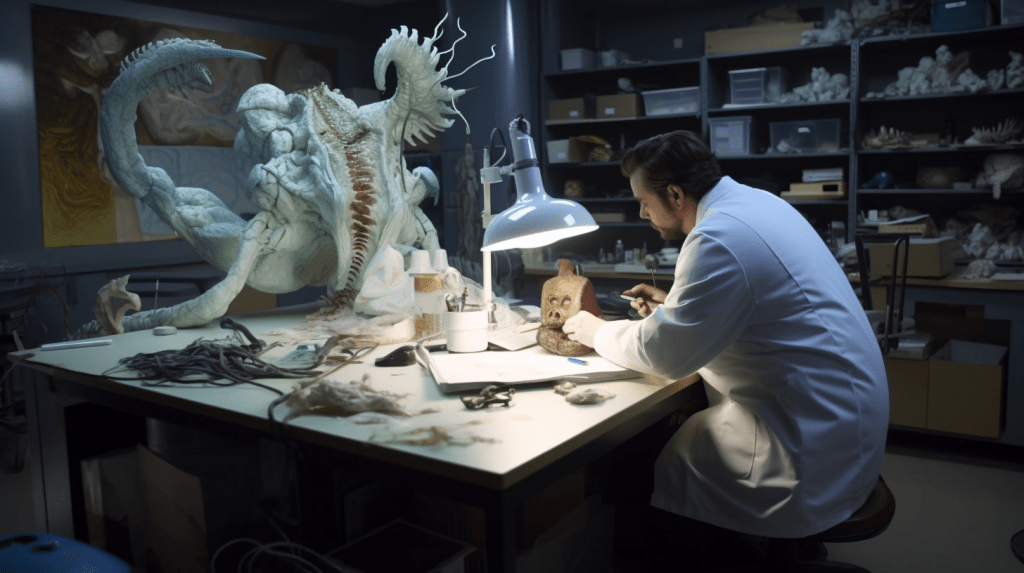
The Design of Novel Life Forms
Another important aspect of xenobiology is the design of novel life forms in the laboratory. By synthesizing artificial genetic codes and engineering organisms with new properties, scientists can gain a better understanding of the fundamental principles of biology and potentially develop new biotechnologies.
One example of xenobiology in action is the creation of synthetic cells, which are artificial cells designed and constructed in the laboratory. These cells are built from scratch using synthetic DNA, and can be programmed to perform specific tasks or functions.
The Ethics of Xenobiology
As with any emerging field, xenobiology raises important ethical questions and concerns. One issue is the potential impact of xenobiology on the environment, particularly if genetically modified organisms are released into the wild.
In addition, there are concerns about the potential risks associated with synthetic biology and the creation of novel life forms. These risks include unintended consequences or unforeseen impacts on human health or the environment.
Conclusion
Xenobiology is an exciting and rapidly developing field with the potential to answer some of the biggest questions in science. By exploring the conditions necessary for life to exist beyond Earth and designing novel life forms in the laboratory, scientists can gain a deeper understanding of the fundamental principles of biology and the potential for life beyond our planet. However, as with any emerging field, it is important to consider the ethical implications and potential risks associated with xenobiology.
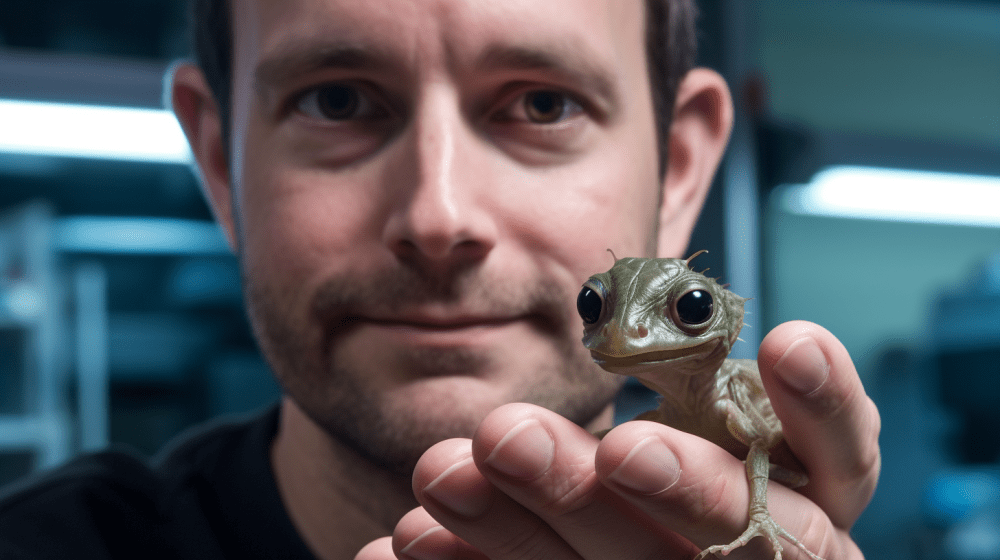
How to become a xenobiologist?
Becoming a xenobiologist requires a strong foundation in science, particularly in the fields of biology, chemistry, and physics. Here are some steps to take if you are interested in pursuing a career in xenobiology:
- Pursue a Bachelor’s Degree: Most careers in science require at least a bachelor’s degree. Majoring in biology, chemistry, physics, or a related field will provide a solid foundation for a career in xenobiology.
- Gain Experience in Research: Research experience is critical for a career in xenobiology. Look for opportunities to work in a research lab as an undergraduate, and consider pursuing a research-oriented graduate program.
- Pursue a Graduate Degree: Many careers in xenobiology require a graduate degree, such as a Master’s or Ph.D. in a related field. This will provide advanced training in the science and technology needed to study life beyond Earth.
- Specialize in Astrobiology: Consider specializing in astrobiology, the study of the origins and evolution of life in the universe. This interdisciplinary field includes elements of biology, chemistry, physics, and engineering, and provides a strong foundation for a career in xenobiology.
- Participate in Professional Organizations: Joining professional organizations such as the Astrobiology Society of Britain, the Astrobiology Society of Europe or the International Society for the Study of the Origin of Life (ISSOL) can provide opportunities for networking, continuing education, and professional development.
- Seek Out Job Opportunities: There are many job opportunities for xenobiologists, including academic positions, research positions in industry, and positions in government agencies. Keep an eye on job postings and consider attending career fairs or other networking events to learn about available positions.
Text: ChatGPT4 (prompted by Marie-Sophie Germain)
Photos: MidJourney (prompted by Marie-Sophie Germain)